






Disaster recovery is a vital element of modern IT infrastructure, enabling organizations to quickly restore operations after unexpected disruptions such as cyberattacks, system failures, or natural disasters. A strong disaster recovery strategy focuses on careful planning, regular testing, and the deployment of reliable backup solutions to reduce downtime and prevent data loss. By establishing clear recovery objectives and procedures, businesses can maintain operational stability and protect critical assets in an increasingly digital environment.
Cost considerations also play an important role when choosing the right solution, making Commvault Cloud Backup Pricing a key factor for many organizations evaluating their disaster recovery approach. Understanding Commvault Cloud Backup Pricing helps businesses align their budget with the level of protection and scalability required, ensuring they invest in a solution that supports long-term resilience and uninterrupted service delivery.
What is Disaster Recovery?
Disaster recovery (DR) refers to the processes and technologies used to restore IT systems, data, and operations after a significant disruption such as natural disasters, cyberattacks, hardware failures, or human errors. The primary goal of disaster recovery is to ensure minimal downtime, maintain data integrity, and enable organizations to resume critical business functions quickly and efficiently. A well-defined DR strategy includes backup management, risk assessment, and recovery planning to safeguard business continuity.
Solutions like Commvault Data Protection Software further enhance disaster recovery efforts by offering secure data backup, efficient restoration, and centralized management, helping organizations stay prepared for any unexpected event.
Key Components of a Disaster Recovery Plan
- Business Impact Analysis (BIA): Identifies critical systems and processes to prioritize recovery efforts.
- Recovery Time Objective (RTO): Defines the maximum acceptable downtime for critical systems.
- Recovery Point Objective (RPO): Specifies the maximum data loss tolerance during recovery.
- Backup Strategies: Involves regular data backups and secure storage solutions.
- Failover Mechanisms: Automates system switching to backup infrastructure during outages.
Challenges in Implementing Disaster Recovery
While disaster recovery is essential, organizations often face challenges in planning, execution, and maintenance. These hurdles can impact efficiency, but solutions like Commvault Data Protection Software help streamline recovery and improve long-term reliability.
1. Cost and Resource Allocation
Implementing robust disaster recovery solutions requires significant investment in infrastructure, software, and expertise. Balancing budget constraints with the need for comprehensive protection is a common challenge, especially when adopting advanced tools like Commvault Disaster Recovery Software. Prioritizing critical systems and leveraging cost-effective cloud solutions can help organizations manage expenses while maintaining strong data protection and recovery capabilities.
2. Complexity of Recovery Testing
Regular testing is vital to validate disaster recovery plans, but it can be resource‑intensive and challenging to execute without affecting live operations. Simulating real-world scenarios requires careful coordination, especially in complex IT environments. Tools such as Commvault Disaster Recovery Software can simplify testing through automation, while phased testing approaches help streamline the process and minimize risks.
3. Keeping Up with Evolving Threats
As cyber threats evolve, disaster recovery plans must adapt to new risks. Ransomware attacks, for example, require specialized recovery strategies beyond traditional methods. Continuous monitoring, threat intelligence integration, and regular plan updates are essential to address emerging challenges.
4. Data Security and Compliance
Ensuring data security and meeting regulatory requirements is a critical challenge in disaster recovery. Organizations must protect sensitive information during backup and recovery processes while complying with industry standards and legal regulations. Implementing secure encryption, access controls, and reliable solutions like Commvault Data Protection Software can help maintain data integrity and ensure compliance, reducing the risk of breaches and penalties.
Real-World Disaster Recovery Example
In 2021, a major e-commerce platform experienced a significant data center outage caused by a power failure, disrupting normal operations and risking potential revenue loss. However, with the support of solutions like Commvault Data Protection Software, the organization was able to respond quickly and effectively to the incident.
The recovery process was initiated within minutes, with traffic seamlessly rerouted to a backup cloud infrastructure. This incident clearly demonstrated the importance of automated failover systems and real-time monitoring in ensuring uninterrupted service and maintaining business continuity during unexpected disruptions.
Expert Perspective: Cybersecurity Professional
“Disaster recovery is not just about restoring systems—it’s about safeguarding business operations. A well-designed plan can turn a catastrophic event into a minor disruption. Prioritizing regular testing and adapting to new threats are key to success.” – Jane Doe, Senior Cybersecurity Architect
Comparing Disaster Recovery Solutions
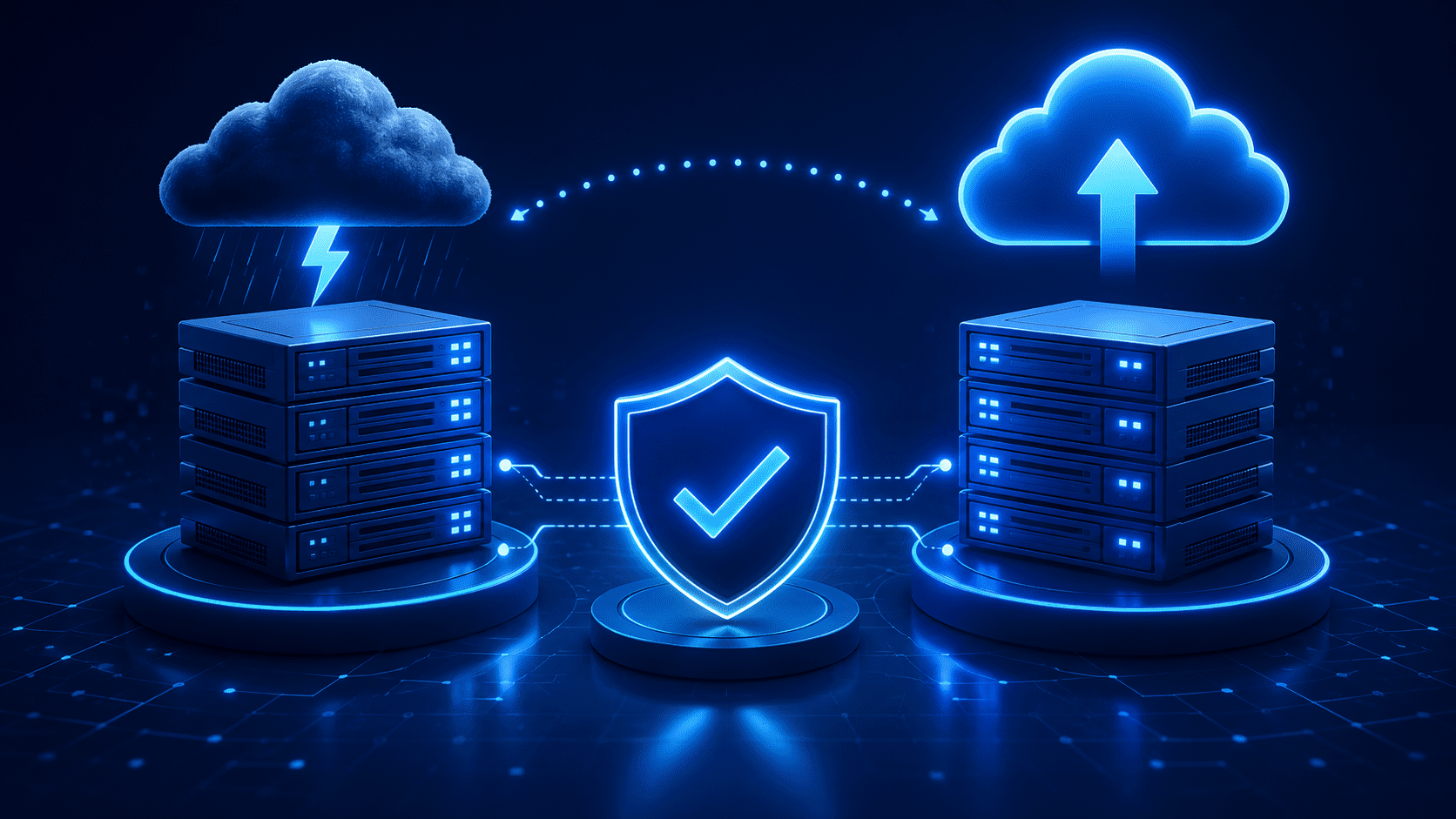
Comparing disaster recovery solutions helps organizations evaluate features, scalability, and cost to choose the right fit. Tools like Commvault Disaster Recovery Software offer automation, recovery, and data management, enabling businesses to maintain resilience and ensure continuous operations during unexpected disruptions.
| Solution Type | Recovery Time | Data Loss Tolerance | Cost | Scalability |
|---|---|---|---|---|
| On-Premises Backup | Hours to Days | High | Low to Medium | High |
| Cloud-Based Replication | Minutes | Low | Medium | Very High |
| Hybrid Cloud | Minutes | Low | High | High |
| Third-Party DR Services | Minutes | Low | High | High |
Why TECHOM Shop is the Smart Choice for Your Business?
Choosing TECHOM Shop gives you access to reliable, high-quality technology solutions designed to meet modern business demands. With a strong focus on performance, affordability, and innovation, TECHOM Shop ensures you get the right tools to support your disaster recovery and data protection needs effectively.
Additionally, TECHOM Shop offers expert guidance, scalable options, and dependable support to help businesses stay prepared for unexpected disruptions. By combining advanced solutions with customer-focused service, it enables organizations to enhance resilience, reduce downtime, and maintain long-term operational continuity.
Frequently Asked Question
1. What is disaster recovery in IT?
2. Why is disaster recovery important?
Disaster recovery is important because it minimizes downtime, protects critical data, and helps organizations resume operations quickly after disruptions. It also reduces financial loss, maintains customer trust, and ensures long-term business continuity through reliable planning and execution strategies.
3. How often should disaster recovery plans be tested?
Disaster recovery plans should be tested at least once or twice a year. Regular testing ensures strategies are effective, identifies gaps, improves response time, and verifies that systems and backups work properly during real incidents, reducing risk and ensuring reliable recovery outcomes.
4. What are the key components of a disaster recovery plan?
A disaster recovery plan includes risk assessment, backup strategies, recovery objectives, and communication protocols. Tools like Commvault Disaster Recovery Software enhance these components by enabling automation, faster restoration, and centralized management, improving overall resilience and operational efficiency during disruptions.
5. How do cloud solutions support disaster recovery?
Cloud solutions support disaster recovery by offering scalable storage, automated backups, and fast data restoration. Understanding Commvault Cloud Backup Pricing helps businesses choose cost-effective solutions, ensuring flexibility, improved accessibility, and efficient recovery while maintaining budget control and operational continuity.
Conclusion
Disaster recovery is a crucial aspect of modern IT strategy, ensuring organizations can quickly recover from disruptions while minimizing downtime and data loss. By implementing well‑structured plans, regularly testing recovery processes, and leveraging reliable technologies like Commvault Data Protection Software, businesses can strengthen resilience and maintain continuity.
Adopting the right solutions and continuously updating strategies to address evolving threats allows organizations to stay prepared for unexpected events. Ultimately, a strong disaster recovery approach not only protects critical data but also supports long-term operational stability and growth.
Strengthen your business continuity strategy today with reliable and scalable solutions. Explore TECHOM Shop to discover options that fit your needs and take the first step toward secure, efficient, and future‑ready disaster recovery.

Peter Pawlak, Director of Sales and Customer Advocate, brings over 15 years of experience helping ambitious business owners grow with confidence. His mission is to empower people to start, build, and run their businesses successfully, turning ideas into thriving ventures. Peter’s passion for business transformation and his results-driven approach have been key to guiding entrepreneurs toward faster and smarter growth.